
New Hearing Protection Options for Concertgoers
If you have ever driven up to Freedom Mortgage Pavilion for a summer
Now Offering Oto Pro for Tinnitus Management! LEARN MORE →
By: admin | July 26, 2026
If you have ever driven up to Freedom Mortgage Pavilion for a summer concert, you know how quickly the volume builds once the music starts. By the end of the night, a lot of people leave with ringing ears and muffled hearing, then brush it off as part of the experience.
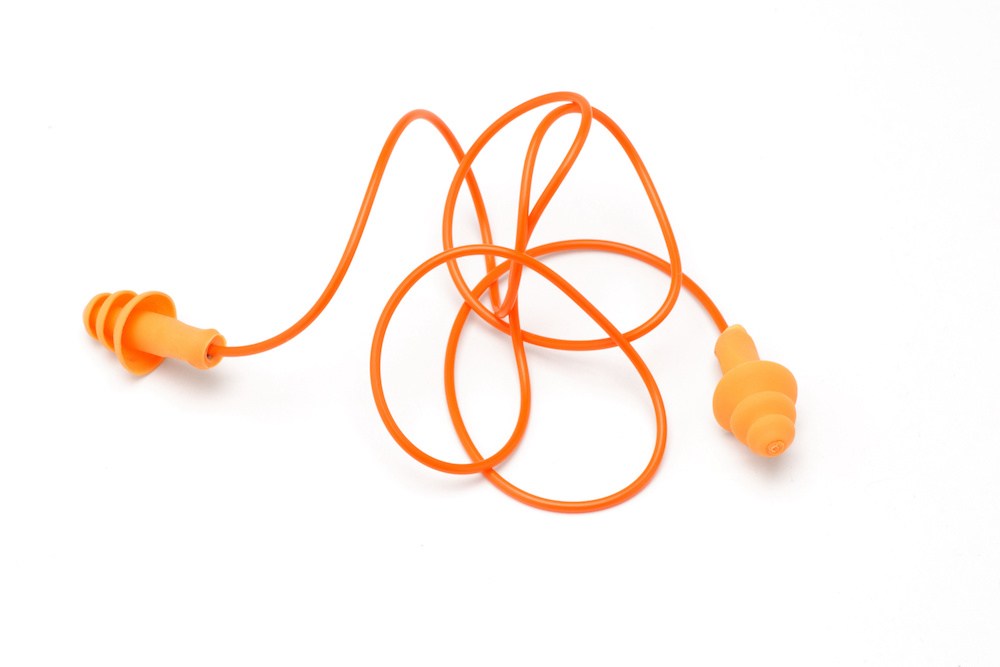
It does not have to be. The basic foam plugs people grab at the last minute often make music sound dull, which is why many concertgoers skip them altogether. Newer hearing protection is made with live music in mind.
These options lower the volume without flattening the sound. You can still hear the vocals, instruments and crowd, just at a safer level. Many styles are also small and discreet, so they are easy to wear without feeling like they get in the way of the show.
Concerts can do more damage to your hearing than most people expect, and it does not take long. Get close to the stage or the speakers and sound levels can climb past 100 decibels. At that volume, your ears can start taking damage within minutes.
Inside your inner ear are tiny hair cells that turn sound into signals your brain can actually read. Really loud music pushes those cells way harder than they are built for. After a show, that strain is what shows up as ringing or that muffled feeling in your ears.
The problem is that those hair cells do not grow back once they are permanently damaged. One concert may not leave you with an obvious hearing change, but repeated exposure can add up.
Over time, voices may become harder to follow, certain sounds may seem less sharp and ringing may stick around longer than it used to. Hearing protection lowers the amount of sound reaching the inner ear without taking away the experience.
Your ears usually let you know when a show was too loud. The signs may start as soon as you leave the venue or become more noticeable once you are somewhere quiet.
Common symptoms include:
Foam earplugs are inexpensive and easy to find, but they are not made with music in mind. They tend to block some pitches more than others, which can make vocals harder to understand and leave the whole show sounding dull or muddy.
That uneven sound is why many people say foam plugs make a concert feel like it is happening underwater. They may lower the volume, but they also take away much of the detail people came to hear.
Fit can be another problem. Foam plugs have to be inserted correctly to work well, and they can feel uncomfortable after a few hours. A loose fit may not provide enough protection, while a poor insertion can make the sound even less natural.
High-fidelity and custom-molded earplugs are designed differently. They lower the overall volume more evenly, so the music keeps more of its original balance and detail.
There are several types of hearing protection designed for concerts, each with unique benefits. Many people wonder which option is best or how these products affect the concert experience.
Foam earplugs are easy to find and block out a lot of sound, but they often make music sound dull or muffled. High-fidelity earplugs lower the volume while keeping music clear, so you can still enjoy all the details without putting your hearing at risk. Custom-molded earplugs offer a comfortable fit and strong protection, though they usually cost more than other options. The right choice depends on how often you attend loud events and what feels most comfortable for you.
Standard foam earplugs are easy to find and block out a lot of sound, but they often make music sound muffled or unclear. This can reduce your enjoyment of the concert and make it hard to appreciate your favorite songs.
If you want to hear music clearly while still protecting your ears, look for earplugs made specifically for concerts or musicians. These earplugs lower the volume evenly across all pitches, so the music still sounds natural.
Foam earplugs can also feel uncomfortable if worn for long periods or if they do not fit well. Trying different types of hearing protection can help you find something that feels better and lets you enjoy live music safely.
High-fidelity earplugs use small acoustic filters to bring the volume down without messing up the balance of the music. Instead of blocking certain pitches more than others, they cut the sound evenly across the board.
That is why vocals still sound like vocals, drums still hit and guitars do not get buried under muffled noise. The mix stays intact because the relationship between low, middle and high pitches does not change.
The filter will not turn a loud concert into a quiet one. It just knocks the decibel level down before the sound hits your inner ear. You still hear the band and the crowd around you, just without your ears taking the full hit.
Some newer models go a step further with electronic filters that adjust as the sound changes. Which option makes sense depends on what kind of shows you go to and how much protection you actually want.
Universal earplugs are ready to use right out of the package. They come in standard shapes and sizes, which makes them affordable and easy to replace. For occasional concerts, they may be all you need, but the fit can vary from one person to the next.
Custom earplugs are made from impressions of your ears. That gives them a closer, more secure fit and often makes them more comfortable during a long show. A better seal can also help the filters work more consistently, so the sound stays balanced.
Appearance may matter too. Many newer earplugs sit low in the ear and are much less noticeable than older styles. Clear, neutral and skin-toned options can blend in, while custom plugs are shaped to follow the natural contours of your ears.
The better choice depends on how often you attend concerts, how long you wear protection and how sensitive your ears are to pressure. Universal plugs offer convenience, while custom options provide a fit made specifically for you.
The material an earplug is made from affects how it feels, how well it fits and how long you can comfortably wear it. Softer materials are usually better for concerts because they sit more gently in the ear and are less likely to create pressure during a long show.
Silicone is often used for custom earplugs because it can be shaped closely to the ear. It is flexible, durable and easy to clean. Foam is softer and expands inside the ear canal, though the fit and sound may be less consistent.
The filters inside high-fidelity earplugs are usually made from firm, lightweight materials. These small filters control how much sound passes through while helping the music stay balanced. Together, the outer material and inner filter affect comfort and sound quality.
Disposable earplugs are useful when you need something simple for one event. You can open the package, use them for the night and throw them away afterward. They are also easy to keep on hand for unexpected plans.
Reusable earplugs are better suited to people who attend concerts often. They can be cleaned, stored and used again, so you do not need to buy a new pair before every show. Most also come with a small case that is easy to keep in a bag or car.
The main difference is convenience now versus convenience later. Disposable plugs require no upkeep, while reusable options take a little cleaning but are ready whenever the next event comes around.
Different venues hit your ears in different ways. A small club can feel louder because the sound has nowhere to go, while an outdoor show may seem less intense even when the volume is still high.
Concert earplugs only work if they actually fit right. Put them in with clean, dry hands and follow whatever directions came with your specific pair. They should feel snug, not painful and not like they are about to fall out.
Reusable earplugs need a quick clean after every show. Wash whatever parts can safely get wet with mild soap and water, then let them dry completely before you put them away. Go easy on the acoustic filters though, since moisture or buildup can throw off how well they actually work.
Take a quick look at your earplugs before each show. If they are cracked, stiff, clogged or no longer fit the same way, it may be time to replace them. Disposable plugs should be thrown away after use rather than saved for the next event.
Protecting your hearing at a concert should not mean losing the sound you came to enjoy. The right earplugs can bring the volume down while keeping the music clear.
Audiology Partners, LLC in Marlton can help you find an option that fits comfortably and works for the kinds of shows you attend. Call (856) 712-1933 before your next concert to learn what might work best for you. Your ears will appreciate the quieter ride home.
Tags: hearing loss prevention tips, hearing protection products
If you have ever driven up to Freedom Mortgage Pavilion for a summer
By: admin | July 26, 2026

South Jersey has no shortage of good places to eat. If you live around
By: admin | June 25, 2026
After you take a hearing test, your audiologist will show you a chart with
By: admin | January 19, 2026